
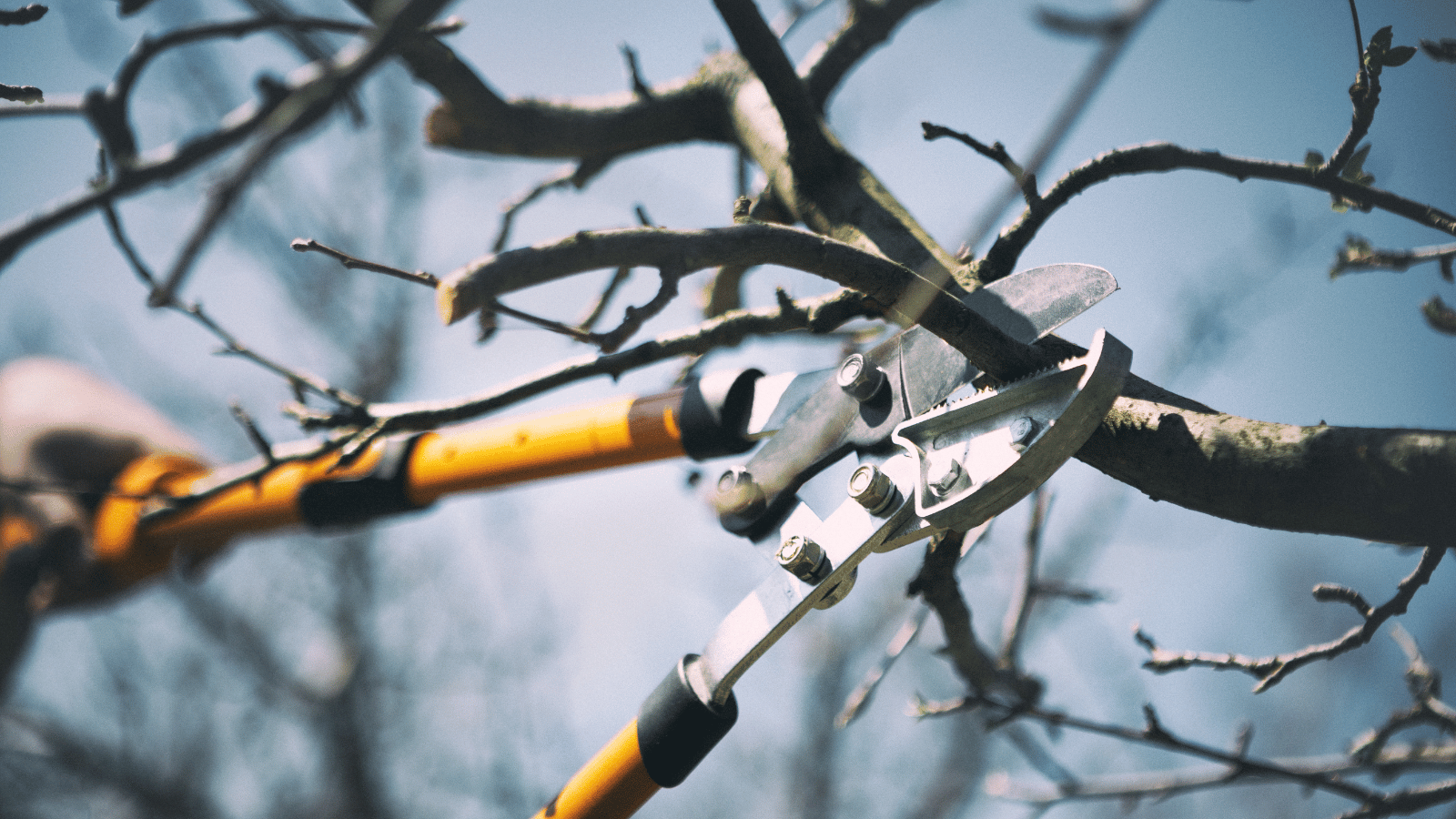
For many trees, dormant-season pruning is a sound starting point, but there is no single calendar date that fits every species or reason for pruning.
Dormancy is often the practical window
Light, routine pruning is commonly planned before the spring growth flush. British Columbia guidance also points to cold or dormant conditions as a preferred window for many pruning jobs because growth is minimal and bark damage can be easier to avoid.
Species still matters. Maples and birches may release sap when pruned in early spring. That can look alarming without necessarily causing serious harm, but the objective and cut size should still be considered before work starts.
Some work should not wait for the calendar
Broken, hanging, dead or storm-damaged branches may need attention when the hazard appears. Disease-related pruning can also have its own timing and sanitation requirements. In those cases, the reason for the cut matters more than a generic seasonal rule.
Large limbs, work aloft and branches near buildings or electrical conductors are not routine do-it-yourself pruning. Keep clear and arrange a professional assessment.
Set the pruning objective first
Pruning should solve a defined problem: remove damaged wood, improve clearance, reduce a specific load or guide young-tree structure. Cutting without an objective can create large wounds, weak regrowth or a misshapen crown. Topping is not a safe shortcut for reducing tree height.


